
Why Does Shipping Scrap Metal to Vancouver Pay More?
Scrap metal recycling plays a vital role in reducing waste, conserving resources, and contributing to a sustainable future. It’s a process that transforms used or discarded metals into reusable materials, creating significant economic and environmental value. North Star Metal Recycling explores the intricacies of scrap metal recycling and why shipping to Vancouver can yield higher returns for those involved in the trade. Contact us to learn more.
What Is Scrap Metal Recycling?
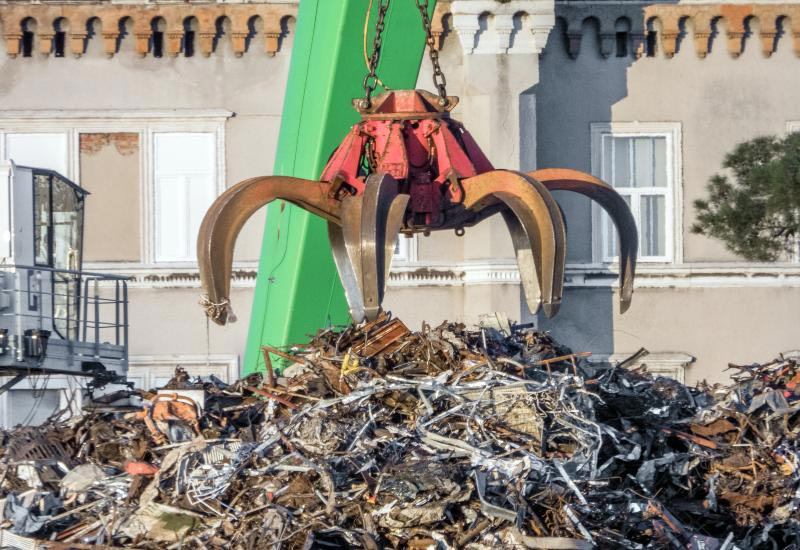
Scrap metal recycling is the process of collecting, processing, and repurposing scrap metal that is no longer in use. Common materials include aluminum, steel, copper, and brass. These metals are extracted from old machinery, electronics, construction materials, and more. Recycling scrap metal helps reduce the need for mining new metal, minimizes landfill waste, and conserves energy, as recycling typically requires less energy compared to producing new metal from raw materials.
Understanding Scrap Metal Recycling & Its Value
The value of scrap metal comes from its ability to be reused without losing its essential properties. Market demand, metal type, and global economic trends all determine the value of scrap metal. For example, precious metals like copper and aluminum often fetch higher prices due to their widespread industrial applications. By recycling scrap metal, industries gain economic benefits and reduce their environmental footprint.
What is the Process of Scrap Metal Recycling?
Scrap metal recycling begins with collecting scrap metal. The process of scrap metal recycling continues with the following:
- Sort the Metal Types – The materials are sorted by type, including ferrous (containing iron) and non-ferrous (non-iron-based metals, which are usually more valuable).
- Remove Non-Metal Components – Take out the non-metal components, including plastic, wood, or rubber.
- Clean the Metals – Once sorted, the metals are cleaned to remove impurities before being shredded or melted down.
- Repurpose Products – The processed metal is then repurposed into new products or raw materials for various industries, ensuring a closed-loop system that reduces waste.
Why Vancouver Offers Higher Scrap Metal Prices?
Vancouver has emerged as a hot spot for scrap metal recycling, offering higher prices compared to other regions. This can be attributed to several factors:
- Proximity to Major Shipping Ports – Vancouver’s access to international ports makes it a hub for exporting recycled metals to countries such as China, India, and South Korea, which have a significant demand for these materials.
- Environmental Commitment – British Columbia enforces strict environmental and sustainability standards, promoting recycling efforts through robust infrastructure and policies, which increases the demand and value of scrap metal.
- Competitive Market – A high concentration of recycling facilities and buyers in Vancouver leads to healthy competition, driving up prices for sellers.
How Does the Shipping Scrap Metal Process Work?
Shipping scrap metal is a well-organized process that involves several key steps. First, the metal is collected and sorted at the point of origin. Afterward, it is packed securely, often in containers, to ensure safe transport. Once loaded, it is shipped via land or sea to its destination, such as Vancouver, for processing. The proximity to shipping ports in Vancouver ensures efficiency and cost-effectiveness, making the city a preferred destination.
What are the Key Logistics in Scrap Metal Transport?
Advanced logistics networks in Vancouver streamline the entire shipping process, adding to the region’s appeal for shipping and recycling scrap metal. The efficient transportation of scrap metal requires attention to several aspects, including:
- Proper Packaging – Scrap metals must be compacted or baled to save space and minimize transport costs.
- Reliable Freight Services – Shipping requires partnerships with trusted logistics companies experienced in handling scrap metal.
- Compliance with Regulations – Transportation must adhere to local and international regulations, ensuring safety and environmental compliance.
Economic and Environmental Impacts of Recycling Scrap Metal
Recycling scrap metal has significant economic and environmental impacts. Economically, it generates revenue streams for businesses, reduces the reliance on expensive raw material imports, and creates job opportunities in the recycling and logistics sector. Environmentally, recycling minimizes greenhouse gas emissions, reduces water and energy use, and decreases the need for mining, which often disrupts ecosystems.
Contact North Star Metal Recycling
North Star Metal Recycling is the choice for premier scrap metal recycling for Edmonton, Calgary, Kelowna, Kamloops, and the surrounding areas. We’ll guide you through every step of the process. If you have any questions, we’re always here to answer them. If you’re looking to maximize your profits from scrap metal recycling, shipping your scrap metal to Vancouver offers unparalleled benefits. Contact us today to learn more about scrap metal recycling.