
Understanding Ferrous vs. Non-Ferrous Metals
Ferrous vs. Non-Ferrous Metal Recycling in Vancouver
If you work in demolition or material recovery, you already know scrap metals aren’t all created equal. Still, knowing the difference between ferrous metals vs. non-ferrous metals shapes everything about your operations, from sorting practices to market value. Once you know how to tell them apart, your workflow will become faster and more profitable.
What Are Ferrous Metals?
Ferrous metals contain iron, which gives them the strength and durability needed for heavy-duty applications. That same iron also causes these metals to rust when exposed to moisture and oxygen, so coatings and alloys are often added to extend their lifespan.
Another noticeable feature is that ferrous metals are magnetic. In ferrous metal recycling, this property makes them easy to identify and separate from non-ferrous materials during processing.
Examples and Uses of Ferrous Metals
Workers in construction, manufacturing, and infrastructure frequently encounter ferrous materials. Here are some common examples and where you can expect to find them:
- Carbon steel is used in structural beams, automotive frames, and machinery. Its strength makes it a staple in large-scale construction and fabrication.
- Cast iron is found in pipes, engine blocks, and heavy equipment components. It handles high heat and withstands wear and tear effectively.
- Wrought iron is often used in fencing and decorative exterior elements. It offers durability with a bit more flexibility than cast iron.
- Stainless steel is common in food processing equipment, medical tools, and appliances. The chromium content makes it more corrosion-resistant, despite its iron content.
What Are Non-Ferrous Metals?
What are ferrous metals vs. non-ferrous, you might ask? The defining difference is that non-ferrous metals don’t contain iron, so they don’t rust and have no magnetic pull. They’re also often lighter and carry more value per kilogram.
In non-ferrous metal recycling, these materials require more attention during sorting because magnets have no effect on them. Instead, facilities must rely on more advanced sorting and processing methods. Even with the extra steps, these materials remain highly desirable for their role in manufacturing and energy-efficient applications.
Examples and Uses of Non-Ferrous Metals
From wiring to aerospace, non-ferrous metals are used in applications where performance and longevity are top priorities:
- Aluminum is found in beverage cans, siding, and vehicle parts. It’s lightweight, corrosion-resistant, and endlessly recyclable.
- Copper is used in electrical wiring, plumbing, and electronics. Its conductivity makes it one of the most sought-after materials in non-ferrous metal recycling.
- Brass is common in fittings, valves, and decorative hardware. It resists rusting and has a distinctive yellow tone that makes it easy to spot during sorting.
- Lead is used in batteries and radiation shielding. It’s heavy and requires careful handling and containment during recycling.
- Zinc is often used for galvanizing steel to prevent rust. It also appears in die-cast components across automotive and manufacturing sectors.
- Nickel is often used in stainless steel production and specialty alloys. It adds strength and corrosion resistance to materials used in harsh marine or chemical-processing environments.
- Tin is commonly used as a protective coating on steel. It’s also a primary ingredient in solder, which bonds components to circuit boards in electronics.
Separating Ferrous vs. Non-Ferrous Metals in Recycling
Efficient scrap metal recycling starts with proper identification and sorting. Here are a few practical methods:
- Magnet test: Ferrous metals stick; non-ferrous metals don’t. This is the quickest and most widely used method for ferrous vs. non-ferrous metal recycling.
- Visual inspection: Rust usually indicates ferrous material. And yes, you can scrap rusty metals.
- Weight comparison: Non-ferrous metals are often lighter.
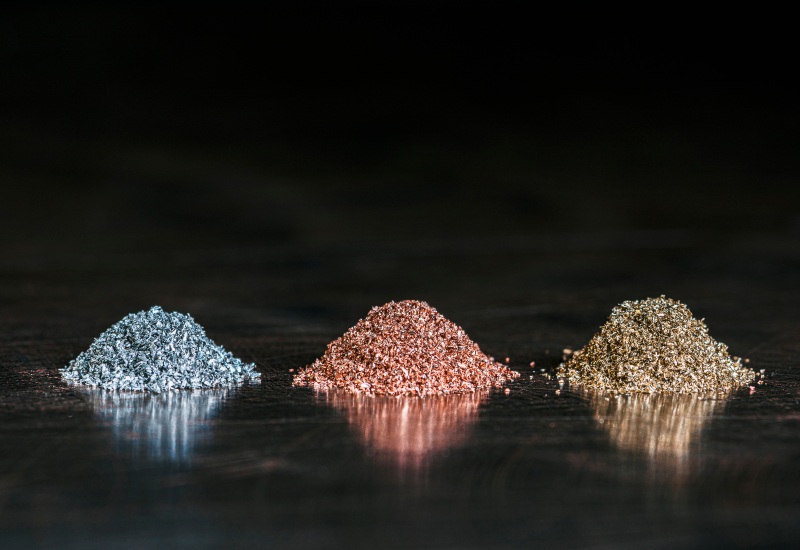
- Colour cues: Copper has a reddish tone, brass appears yellow, and aluminum has a shiny, silvery finish.
- Spark testing: Grinding ferrous metals produces sparks, while non-ferrous metals generally do not.
- Advanced separation systems: Eddy current separators and sensor-based sorting systems refine non-ferrous metal recycling processes.
FAQs About Ferrous vs. Non-Ferrous Metals
How do I prepare materials for ferrous and non-ferrous metal recycling?
We recommend pre-sorting your materials into ferrous and non-ferrous categories and removing obvious contaminants such as plastic or rubber. Cleaner loads move through our facility faster and often receive better value.
Why are non-ferrous metals worth more than ferrous metals?
Non-ferrous metals are less abundant and harder to manufacture. Plus, their corrosion resistance and conductivity make them versatile, high-demand materials across multiple industries.
Maximize the Value of Every Load
Now that you thoroughly understand ferrous metals vs. non-ferrous metals, the next step is to find a recycling partner that treats your materials with care. North Star Metal Recycling serves Vancouver, Edmonton, Calgary, Kelowna, and Kamloops from our location in North Vancouver. Our operation includes a 30-foot, 50,000-pound digital truck scale, a 5,000-pound platform scale, and a full fleet of forklifts and bins, ready to help with your transport needs. Our team proudly delivers dependable service while supporting cleaner air and water through responsible recycling practices. Contact us today to discuss your materials or request a quote.