
How Copper Recycling in Vancouver Reduces Your Carbon Footprint
The Environmental Impact of Copper Recycling
Your carbon footprint reflects the total amount of greenhouse gases released into the atmosphere as a result of your activities. It adds up fast since every material you use, transport, or discard carries an environmental cost. If you work with metals like copper, you have a real opportunity to cut emissions, reduce energy use, and conserve natural resources through copper recycling initiatives.
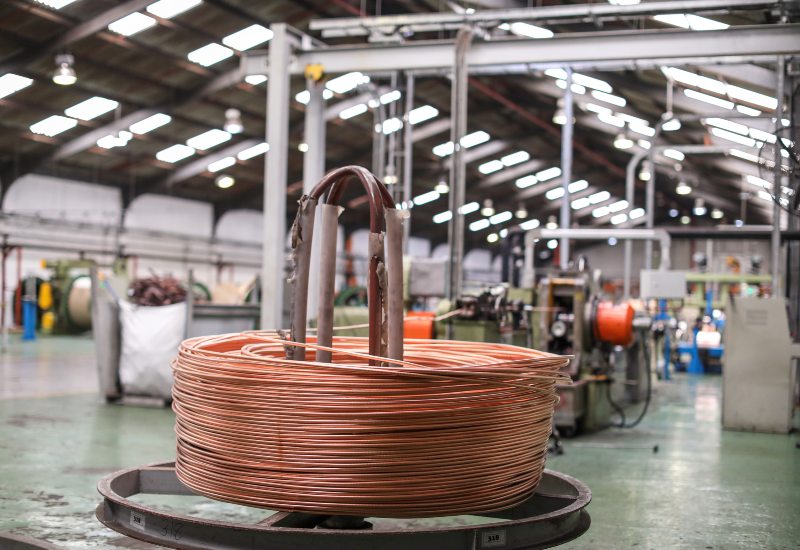
Mining Copper Comes at a Cost
Producing new copper from raw ore takes a heavy environmental toll. Mining operations disturb the ecosystem, consume large amounts of water, and rely on energy-intensive extraction and refining processes. Smelting alone produces significant greenhouse gas emissions due to the high temperatures and fossil fuels involved. Manufacturers that rely on newly mined copper indirectly support these resource-heavy practices.
Benefits of Copper Recycling
The positive impact of copper recycling is apparent when compared to primary production. The benefits make a clear case for its economic and environmental value:
- Energy savings: Recycling copper uses up to 90% less energy compared to producing new copper from ore.
- Reduced greenhouse gas emissions: Less energy use means fewer fossil fuels burned and lower emissions that raise your carbon footprint.
- Decreased waste: Roughly 32% of the copper used between 2009 and 2018 came from recycled sources, preventing valuable material from ending up in landfills. Around two-thirds of the estimated 690 million tonnes of copper ever produced remain in productive use today, and your recycling efforts help keep that number high.
- Conservation of resources: Copper is a finite resource, and recycling extends the life of the material already in circulation. Since copper can be reused again and again with no loss in performance, there’s no reason not to recycle it endlessly.
- Cost efficiency: Recycled copper typically costs less to procure and process, which benefits your bottom line.
Practical Tips for Businesses Looking to Recycle Copper
When you’re ready to improve your copper and metal recycling practices, the right approach streamlines your operations while reducing your environmental impact. Use these practical tips to turn your copper recycling efforts into a strategic advantage:
- Sort materials at the source: Separate copper from other metals and waste streams. Clean, well-organized scrap metal fetches the highest value and moves through the recycling facility faster, so you can get in and get out.
- Identify high-value copper: Not all copper scrap is the same. For example, #1 bare bright copper wire is more valuable than insulated or mixed materials. Knowing the difference improves your return.
- Partner with a reliable recycler: Find a facility that uses modern equipment and efficient processing systems. A capable copper recycling partner in Vancouver ensures your materials are handled properly.
- Schedule regular pickups: Depending on your location and load size, you may be eligible for pickup services. Consistent collection prevents stockpiles from taking up too much space and maintains a steady recycling flow.
- Train your team: When your staff understands the impact of copper recycling, they’re more likely to follow best practices that support your organization’s environmental goals.
- Track your carbon savings: Measure the weight and type of copper you recycle, then apply standard emissions factors to estimate how much you avoided. This gives you a clear picture of the difference your recycling efforts have made and helps you reach your target carbon footprint.
Recycle Copper and Reduce Your Footprint Today
Copper recycling offers a straightforward, high-impact way to improve resource efficiency and reduce your carbon footprint. North Star Metal Recycling has been helping businesses and individuals meet these goals since 1950. Our North Vancouver facility features well-maintained equipment, easy pull-through access, and a full range of tools to ensure a smooth, efficient recycling process.
We’re proud to be part of an industry that diverts hazardous materials from landfills and supports cleaner air and water in our communities. We’re all in this together, and every step toward better recycling practices counts. Contact us today with your questions or request a quote to get started.
FAQs About Copper Recycling and Carbon Footprints
What types of copper are best for reducing environmental impact?
Don’t turn down the chance to recycle any type of copper. Still, it helps to know that clean, high-grade bare bright wire or unalloyed scrap delivers the highest environmental and economic return. These materials require less handling, which reduces energy use during the copper recycling process.
Does recycled copper perform as well as newly mined copper?
Yes, recycled copper maintains the same physical and chemical properties as primary copper, no matter how many times it’s reused. This means it delivers identical performance across electrical, construction, and industrial applications, making it a reliable and sustainable alternative.
Is copper recycling suitable for large-scale industrial operations?
Copper recycling works well at scale. If you regularly handle large volumes, prioritize efficient collection, sorting, and transportation to keep materials moving.