
Top Tips for Efficient Copper Recycling
Tips for Efficient Copper Recycling in Vancouver
Copper recycling contributes significantly to the circular economy. You already know copper carries real value, both financially and environmentally. What matters now is getting the most out of every load through efficient copper recycling practices.
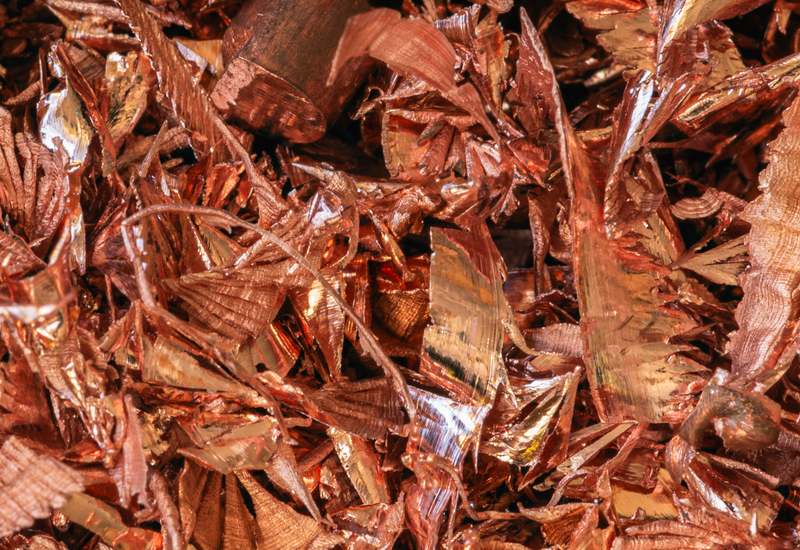
The Copper Recycling Process
For the best outcome from your efforts, the copper recycling process must be streamlined across the board. From collection and intake to final processing, each step affects your margins and material quality. Here’s how it all comes together:
- Identification and collection: Scrap arrives from demolition sites, electrical upgrade projects, manufacturing waste, and other sources.
- Sorting and grading: During recycling, copper is separated into categories such as bare bright, #1, and #2. Accurate grading ensures proper pricing and reduces the need to re-sort later.
- Processing and size reduction: Shredding or granulating prepares material for further separation. This step improves handling and downstream efficiency for larger items and separates copper from insulation during copper cable recycling.
- Separation and purification: Advanced systems remove insulation, plastics, and contaminants to isolate high-purity copper.
- Melting and reuse: Refined copper heads back into manufacturing, ready for new applications with no loss in quality.
Identifying and Collecting Copper Scrap
Not all copper carries the same value, so it’s important to know exactly what you’re working with. Proper identification and labelling speed things up. Start with these common sources of copper metal for recycling:
- Electrical wiring and cables: These are major contributors to copper recycling streams, though they often require insulation removal.
- Industrial scrap: Manufacturing offcuts and machine components often contain high-grade copper.
- Old appliances and equipment: Motors, transformers, and electronics provide mixed-material challenges but worthwhile returns.
- Plumbing materials: Pipes and fittings tend to be heavier and less contaminated than insulated wire or mixed scrap.
Tips for Separating and Preparing Copper for Recycling
Clean, well-sorted loads move faster and fetch the highest returns. Follow these practical copper recycling tips for measurable efficiency gains:
- Remove insulation and coatings ahead of time: Stripping wires boosts their value, so it’s worth doing before bringing your copper to a recycling facility. Mechanical stripping tools speed up the process for larger volumes.
- Keep grades separate: Mixing #1 and #2 copper lowers the value of your load. Use dedicated bins or zones for each grade to prevent this.
- Eliminate contaminants: Oil, solder, and attached materials reduce quality, so a quick pre-processing inspection is worth your time.
- Cut to manageable sizes: Oversized pieces slow down equipment and handling. Pre-cut your copper metal to improve processing efficiency.
- Organize storage areas: Clearly marked containers reduce sorting errors and maintain consistent material flow.
Benefits of Efficient Scrap Copper Recycling
Recycling copper offers several benefits. Some impact your bottom line directly, while others are for the greater good. Here’s what you get when you dial in your copper metal recycling efforts:
- Better returns on your scrap: Clean, well-prepared copper commands the highest price and moves through recycling facilities faster.
- Reliable material quality: Copper doesn’t degrade when it’s recycled repeatedly. This means it can be used in place of virgin materials without affecting performance.
- Conserved energy and resources: Recycling copper consumes far less energy and produces fewer emissions than mining new material. It also reduces the manufacturing industry’s demand for limited resources.
- Less landfill waste: Scrap copper stays in circulation rather than adding to environmental strain.
How to Choose the Right Copper Recycling Facility
A dependable recycling partner fits into your workflow with an efficient infrastructure and years of experience. Look for a facility with modern equipment, easy vehicle access, a truck fleet to assist in material transport, and accurate weighing systems. Customer service matters too, especially when handling large or complex loads. A solid reputation and industry memberships make the choice even easier.
FAQs About Copper Recycling
What types of copper do you accept for recycling?
We accept both high- and low-grade copper, including #1 bare bright wire, insulated cables, pipes, and mixed scrap. No matter what type of copper you bring in, we can recycle it.
How does copper cable recycling differ from other copper recycling?
The insulation must be removed from insulated copper cables before the metal can be refined. This extra step requires specialized equipment but yields higher purity and improved recovery rates.
Do you offer pickup services for large volumes of copper scrap?
Yes, we have a truck fleet to assist in material transport. Contact us to confirm if your volume and location qualify for transportation assistance.
Get More Value from Every Load
Looking for a copper recycling partner? North Star Metal Recycling has served Vancouver, Edmonton, Calgary, Kelowna, and Kamloops since 1950. We offer dependable recycling services backed by efficient infrastructure and a team that understands the demands of high-volume operations. We take pride in contributing to a cleaner environment while supporting the local economy. Every load we process diverts valuable materials away from landfills and puts them back into productive use. We’re all in this together, so contact us today to discuss your copper recycling needs or request a quote.