
What Types of Scrap Metal Are Best to Recycle?
What Types of Scrap Metal Are Best to Recycle?
Scrap metal recycling is a central part of practical materials management. Do you know what scrap metals to recycle and how to move them efficiently through your operation? From construction sites to industrial facilities, every load has potential—you just need to recognize it, sort it, and send it where it belongs.
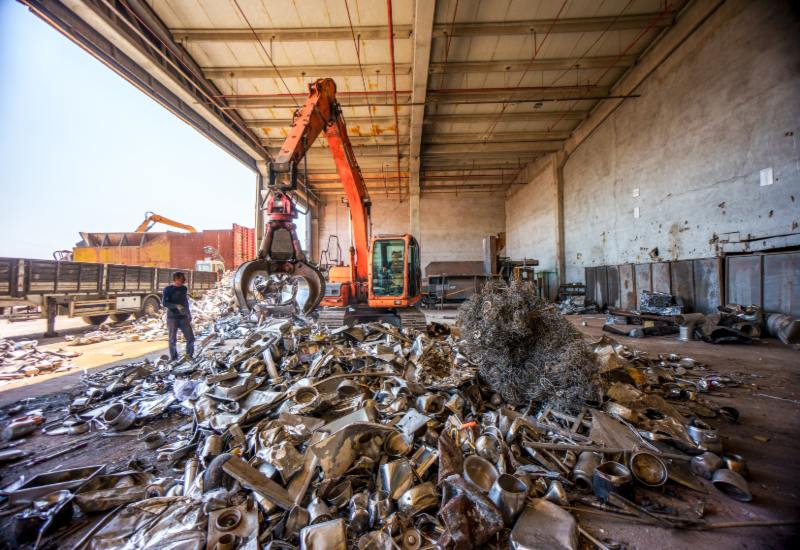
Scrap Metal Classifications
Scrap metal is generally grouped into one of two classifications: ferrous metals and non-ferrous metals.
Ferrous metals contain iron and are magnetic, which makes them easy to identify on the spot. Construction debris, machinery, and structural components all commonly contain ferrous metals. They are abundant and easy to process, making ferrous materials a staple in scrap and metal recycling operations.
Non-ferrous metals do not contain iron and won’t react to a magnet. These materials tend to hold a higher value per tonne and require more careful separation to maintain quality.
Types of Scrap Metal That Can be Recycled
Once you understand the classifications, you can focus on the specific types of scrap metal to recycle across your operations.
Ferrous metals:
- Steel
- Stainless steel
- Cast iron
Non-ferrous metals:
How Does Scrap and Metal Recycling Work?
The process is straightforward on the surface, but each stage is important if you’re aiming for efficiency and value recovery. Here’s how it works:
- Collection and transportation: Scrap moves from job sites, facilities, or demolition projects to a recycling yard. Reliable logistics and proper containment keep materials clean and organized.
- Sorting and separation: Materials are sorted by type and grade using magnets, sensors, and visual inspection. Thorough separation directly impacts downstream value and processing speed.
- Processing and preparation: Scrap gets cut, shredded, or compacted into manageable sizes to improve handling and prepare metals for the next step.
- Melting and refining: Metals are transported to furnaces and melted at specific temperatures based on their type. Any impurities are removed at this stage, and the material is refined to meet manufacturing standards.
- Solidifying and distribution: The metal is formed into bars, sheets, or coils and returned to the supply chain, where it can be reused in new products.
Benefits of Industrial Scrap Metal Recycling
If you work in waste management or environmental consulting, you see the impact of scrap metal recycling every day. Even so, it’s worth calling out the advantages that make it such a critical part of your strategy:
- Reduce material costs: Recycling scrap puts money back in your pocket. Instead of paying to dispose of metal, you can turn it into revenue and offset the cost of new materials.
- Keep your workspace organized: Scrap piles up fast in industrial settings. Routine trips to a metal recycling facility keep your site safer and easier to manage.
- Streamline operations: Scheduled pickups and established sorting systems keep your workflow running smoothly.
- Support sustainability goals: Recycling metal reduces the need for mining, lowers energy use, and diverts scrap from landfills. It’s a simple way to shrink your environmental footprint without changing your core operations.
- Handle large industrial volumes efficiently: Industrial scrap metal recycling facilities are built for scale. Whether you’re dealing with offcuts, punchings, or surplus materials generated during manufacturing, the right partner can handle it.
Industries That Benefit Most from Scrap Metal Recycling
Numerous sectors depend on scrap metal recycling to recover valuable materials and control costs. Still, some industries lean on it more heavily than others. Make sure it’s built into your operations if you’re in any of these fields:
- Construction and demolition
- Manufacturing and fabrication
- Automotive and transportation
- Oil and gas
- Aerospace
- Utilities and infrastructure
- Mining and resource extraction
FAQs About Scrap Metal Recycling
How do I prepare scrap metal before bringing it in?
Separate metals into ferrous and non-ferrous categories, if possible, and remove non-metal attachments like plastic or rubber. The cleaner your load, the faster you’ll move through the yard and the better pricing you’ll receive.
Do you accept large industrial loads?
Yes, industrial scrap metal recycling is a core part of our operation. We have a 30-foot, 50,000-pound digital truck scale and a 5,000-pound digital platform scale to help us handle bulk loads.
How is scrap metal pricing determined?
Pricing depends on metal type, grade, cleanliness, and market conditions. Well-sorted non-ferrous metals usually command the highest rates per tonne.
Get More Value from Your Scrap Metal
Scrap metal recycling works best when you partner with a provider who understands these materials and the market. North Star Metal Recycling has over 75 years of experience delivering dependable services to customers in Vancouver, Edmonton, Calgary, Kelowna, and Kamloops. Our North Vancouver facility features modern equipment, easy pull-through access, accurate digital scales, and on-site support that keeps materials moving. We’re committed to responsible recycling practices that protect local air and water supplies and support the broader economy. Contact us today with any questions or concerns about what scrap metals to recycle or to request a quote.