
Environmental and Economic Benefits of Refractory Metal Recycling
Benefits of Refractory Metal Recycling
Refractory metals don’t show up in your average scrap pile, but when they do appear, it’s worth a closer look. What exactly are refractory metals, you ask? They’re a group of elements known for exceptionally high melting points and resistance to wear and corrosion. Tungsten, molybdenum, tantalum, and niobium all fall into this category. Refractory metals may be used on their own or as part of high-performance alloys.
You’ll find these materials in aerospace components, medical devices, electronics, and heavy-duty industrial equipment. They’re built to last, but not indefinitely. Once they reach the end of their service life, sending them to a landfill wastes material and energy. Recycling keeps these valuable resources in circulation and supports more efficient use.
Why Refractory Metals Are Hard to Find
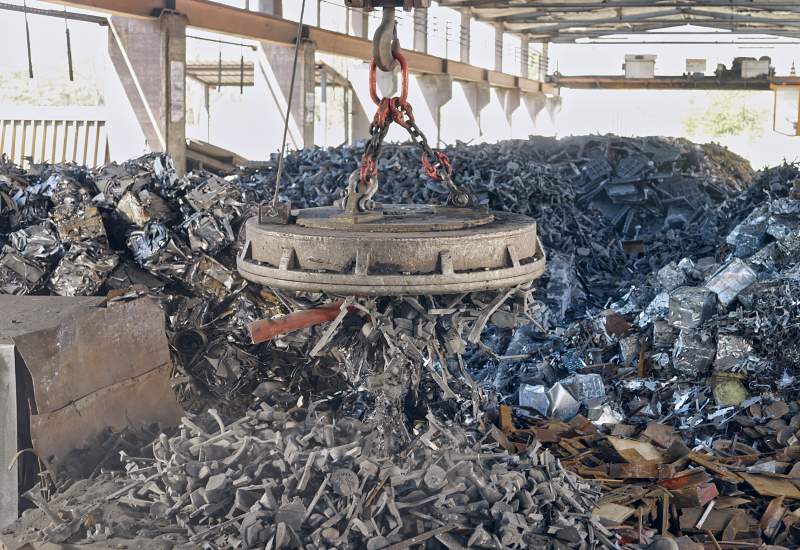
Refractory metals and alloys don’t move through the waste stream the way steel or aluminum does. They’re not everyday scrap, so they’re often overlooked and underutilized. Here’s why:
- Long service life: Refractory metals tend to stay in service for a long time, so they don’t cycle out as often as other materials.
- Niche applications: You mostly see them in highly specialized industries, not everyday sectors like construction, automotive, or general manufacturing.
- Complex recovery: Extracting and separating refractory ferrous metals or mixed alloys requires more effort than standard scrap processing.
- Limited awareness: Many operators don’t realize they can recycle refractory metals or don’t know how to sort them properly.
Environmental Benefits of Recycling Refractory Metals
Refractory metal recycling offers several environmental advantages:
- Lower energy consumption: Primary extraction can be incredibly energy-intensive. Recycling uses only a fraction of that input.
- Reduced emissions: Mining and refining refractory metals require high temperatures and complex chemical processes. Fewer greenhouse gases are released when existing materials are recycled.
- Conservation of natural resources: Every time you recycle refractory metals, you reduce the need to mine finite materials.
- Less landfill waste: Recycling high-value metals keeps them in circulation rather than sending them to disposal sites.
Economic Benefits of Refractory Metal Recycling
Refractory metals may be tough to process, but they still offer strong economic value. Their rarity and performance characteristics make them highly sought after across multiple industries. If these materials ever appear in your workflow, consider the financial benefits of recycling:
- High market value: Metals like tungsten and tantalum command premium prices.
- Cost savings: Processing recycled refractory metals requires fewer resources than producing them from ore. Lower input costs improve margins for manufacturers using these materials.
- Stable demand: Aerospace, energy, and manufacturing sectors rely on these materials continuously.
- Inventory recovery: Scrap that might otherwise be overlooked becomes a practical way to strengthen your bottom line.
Innovations and Obstacles in Recycling
The high melting points and chemical stability of refractory metals complicate the recycling process. The good news is that technology is moving in the right direction.
We’re seeing progress in the following areas:
- Modern sorting systems use more advanced identification methods to separate refractory metals and alloys from mixed scrap streams.
- Hydrometallurgical processing methods increase recovery rates by extracting specific metals with targeted chemical techniques.
- Closed-loop manufacturing systems allow industries to reclaim and reuse their own refractory scrap.
- Automated handling equipment improves efficiency and safety when working with dense, heat-resistant materials.
Challenges still exist in certain areas:
- Processing refractory metals requires specialized equipment and skilled operators, which increases operational costs.
- Contaminated or mixed scrap reduces recovery efficiency and can affect the quality of the final material.
- Not all recycling operations are equipped to handle refractory metals.
FAQs About Recycling Refractory Metals
How do I identify refractory metals in my scrap?
Refractory metals are often found in high-heat or high-stress components. Look for dense, corrosion-resistant materials used in aerospace, electronics, medical devices, or industrial tooling. Choose us as your recycling partner for help with proper identification and sorting.
What quantities of refractory metals do you accept for recycling?
We accept both small and large quantities, with forklifts, dump bins, and a truck fleet available to assist in material transport. Whether you have a one-time batch or want to arrange ongoing pickup, we’re prepared to accommodate most requests.
Do I need to separate refractory metals before bringing them in?
Sorting your materials improves efficiency, but it isn’t strictly required. Our facility has the equipment to separate and process mixed loads. Just be aware that pre-sorting may lead to better returns.
Turn Your Scrap into Opportunity
Refractory metal recycling offers a practical way to reduce waste and recover valuable materials. Partner with North Star Metal Recycling in North Vancouver to help you reach your economic and environmental goals. We accept a wide range of specialty and high-value scrap metals, including tungsten, molybdenum, tantalum, and niobium. Our state-of-the-art facility is equipped to process these refractory metals and alloys to maximize your return. For answers to your recycling questions and concerns, or to request a quote, please contact us today.