
How to Prepare Your Scrap Metal for Recycling
Recycling scrap metal is not merely eco-friendly. It’s a way to clear unwanted clutter and make some extra cash. Whether you’re a DIY-er hoping to repurpose metals or a metal worker staying mindful of waste, North Star Metal Recycling in Vancouver can help you properly prepare your scrap metal for recycling. We’ll explain what scrap metal is, the scrap metal recycling process, and why it’s important. Take the first step toward contributing to a cleaner, greener world today.
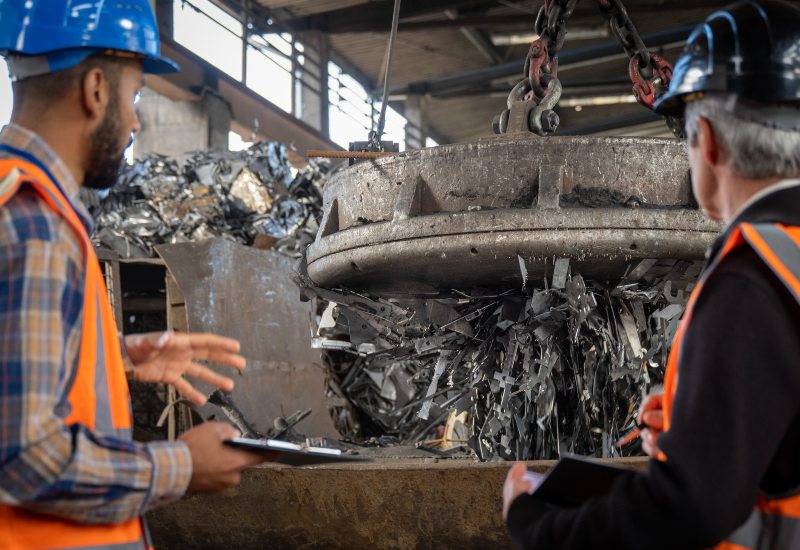
What Is Scrap Metal Recycling?
Scrap metal recycling is the process of collecting, processing, and repurposing metal waste into new materials. It can include a wide variety of metals, from household appliances and aluminum cans to industrial scrap metal and construction leftovers. The scrap metal recycling process reduces the need for mining raw materials, conserves energy, and lessens landfill waste. With demand for sustainable practices on the rise, local and industrial scrap metal recycling are increasingly vital to environmental health.
Types of Recyclable Scrap Metals
Before recycling, it’s important to identify what types of scrap metal you have. Metals are generally categorized into two groups that are both safe for recycling:
- Ferrous Metals – These include iron and steel. They’re commonly found in car parts, pipes, and old tools. You can identify them by testing whether they’re magnetic.
- Non-Ferrous Metals – Non-ferrous metals are non-magnetic and include materials like aluminum, copper, brass, and stainless steel. They’re often found in electronics, wiring, and drink cans.
The Scrap Metal Recycling Process
Proper preparation streamlines the recycling process and can even increase the value of your metals at scrap metal recyclers. The step-by-step process should include:
- Identify the Metal Types – Sort your scrap metal into ferrous and non-ferrous groups. Recyclers often process them differently.
- Remove Non-Metal Components – Strip away non-metal components like rubber, plastic, or wood. For example, remove screws and nails from furniture or plastic casing from wiring.
- Clean the Metals – Wash away dirt, oil, or other contaminants. Clean metals are more valuable to recyclers and easier to process.
- Cut or Break Down Larger Objects – If you’re recycling heavy or bulky items, break them into small, manageable pieces. This helps the recycler and makes them easier to transport.
- Weigh Your Metals – Get a rough estimate of how much metal you have. Scrap and metal recycling facilities often pay by weight, so this can help you gauge your metal’s potential value.
Dos and Don’ts of Scrap Metal Recycling Preparation
There are several rules of thumb when it comes to scrap metal recycling. Among the dos and don’ts to consider are:
Dos
- Separate Metals – Sort different metals before taking them to the recycler to save time and ensure you get fair compensation.
- Label Hazardous Materials – If you’re recycling items with small amounts of hazardous materials, such as old batteries, clearly label them for safety purposes.
- Follow Local Guidelines – Vancouver and other regions have recycling regulations on certain metals.
Don’ts
- Leave Metal Dirty – Oily, greasy, or dirty metals may be rejected or undervalued by recyclers.
- Include Non-Metal Items – Avoid bringing plastic, paper, or wood to scrap metal recyclers.
Top Tips for Recycling Scrap Metal
If you’re still looking for more ways to streamline your recycling efforts, these tips will maximize efficiency:
- Invest in Appropriate Tools – Wire cutters, gloves, and a saw can help you quickly prepare scrap metal.
- Keep Scraps Organized – Use bins or boxes to separate metals by type and weight.
- Use a Magnet for Sorting – A simple magnet is the best way to differentiate ferrous and non-ferrous metals.
Legal and Environmental Considerations of Scrap Metal Recycling
It’s critical to stay mindful of legal and environmental factors when recycling scrap metal. Local regulations may restrict the disposal of certain materials, such as lead and asbestos. Familiarize yourself with Vancouver’s recycling guidelines to ensure compliance. On the environmental side, scrap metal recycling significantly reduces the carbon footprint compared to mining raw materials. By participating in this process, you’re actively contributing to a healthier planet.
Why You Should Choose North Star Metal Recycling
North Star Metal Recycling is Vancouver’s trusted partner for all of your scrap metal recycling needs. Qualities that set us apart include:
- Expert Service – Our team can guide you every step of the way, from determining what you can recycle to valuing your materials.
- State-of-the-Art Facilities – We can process everything from everyday metals to industrial scrap metals.
- Community Focus – We’re committed to responsible recycling that benefits our customers and the environment.
Contact Us in Vancouver Today
Recycling your scrap metal doesn’t have to be complicated, especially when you have North Star Metal Recycling by your side. Whether you have a few cans or a whole construction site to manage, we’re here to make the process as smooth as possible. Contact us today in Vancouver today to learn more about our recycling services and expertise.