
The Impact of Metal Recycling on Climate Change
You see metal everywhere—on job sites, in demolition bins, inside equipment, and built into public infrastructure. What often gets overlooked is how much influence these materials have on climate change. Every time you choose to recycle scrap instead of sending it to a landfill, you’re making a noticeable difference.
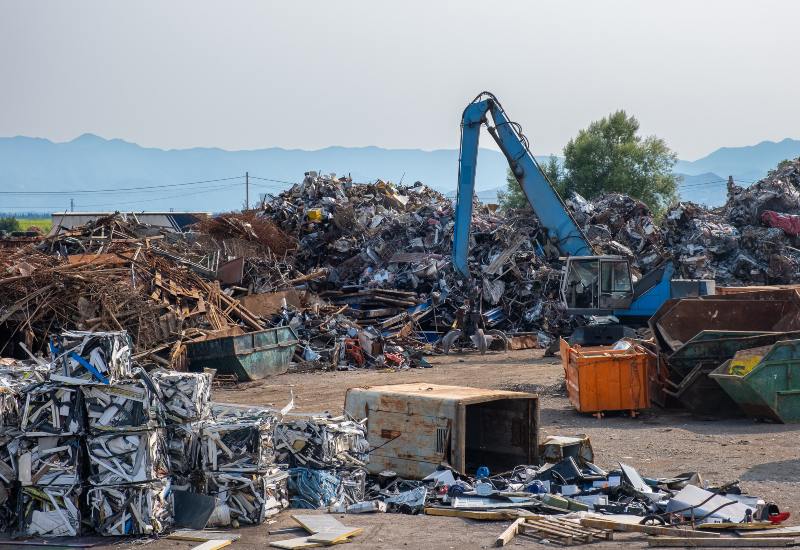
Why Do Metals Affect Climate Change?
Metals carry a heavy environmental footprint long before they reach your yard or facility. The mining, extraction, and refining stages demand large amounts of energy, most of which still comes from fossil fuels.
Some metals have a greater impact than others. For example, steel and iron account for a significant share of industrial emissions due to their widespread use in construction and manufacturing. Aluminum production is also particularly energy-intensive compared to recycling existing material. Copper and nickel also contribute due to mining intensity and processing demands.
Transportation is another factor. Raw ore often travels long distances from mines to refineries, then from there to manufacturers. Every step generates emissions.
What Is the Importance of Recycling Metals?
Metal recycling is a strategic advantage for anyone managing waste streams. Consider the many environmental benefits of recycling scrap metal:
- Energy savings from recycling: The numbers speak for themselves. Recycling aluminum requires 95% less energy than producing it from bauxite ore. Steel and copper also offer substantial energy reductions. Considering that millions of tonnes of metal are recycled worldwide annually, the energy savings are massive.
- Reduced greenhouse gas emissions: Recycling metal lowers emissions by avoiding the energy-intensive steps required to produce new material from raw ore. Without mining, refining, and long-distance transport, the overall carbon footprint drops considerably. For perspective, recycling one tonne of aluminum prevents over 16 tonnes of greenhouse gas emissions from entering the atmosphere. That’s the equivalent of driving 40,000 miles in a gas-powered car.
- Natural resource conservation: Every tonne of recycled metal reduces the need to extract new materials from the earth, extending their availability for future generations. Recycling also results in fewer disruptions to the ecosystem, less water use, and reduced land degradation.
- Cost savings across operations: Recycling metal often costs less than sourcing new materials. Plus, metal retains its value, allowing contractors and industrial operators to sell scrap for recycling rather than paying to dispose of it at a landfill. This translates to better margins and smarter resource management.
- Reduced landfill waste: Metals don’t break down like organic materials. When they end up in a landfill, they occupy space forever and may release harmful substances into the soil and groundwater. Recycling keeps these materials out of waste sites.
- Support for circular economy practices: Metal is one of the few materials that can be recycled infinitely without losing quality. This makes it one of the most sustainable materials in circulation.
- Improved environmental compliance: Regulations around emissions and waste handling continue to tighten. Recycling metal positions your operations to stay ahead of these requirements while demonstrating environmental responsibility to clients and stakeholders.
FAQs on Metal Recycling & Climate Change
How does metal recycling support corporate sustainability goals?
Metal recycling fits into your emissions reduction and waste diversion goals. It gives you trackable results and keeps your operation on the right side of environmental requirements without slowing you down.
What types of metals are most valuable to recycle?
Ferrous metals like steel and iron make up a large share of recycled material. Non-ferrous metals such as aluminum, copper, and brass are also highly sought after and often command higher prices.
How quickly can scrap metal be processed and reused?
Metal recycling moves quickly through the collection, sorting, and processing stages. Many materials are back in production within weeks to keep the supply chain active and reduce the need for new resource extraction.
How should I prepare my scrap metal for recycling?
Separate different types of metal where possible and remove non-metal attachments like plastic or rubber. Clean, sorted materials are easier to process and often result in better returns.
Do I need large volumes of metal to use a recycling service?
No, both small and large loads are accepted. Whether you’re clearing out a job site or handling ongoing industrial scrap, metal recycling is a practical option.
Maximize the Benefits of Recycling Scrap Metal
North Star Metal Recycling has served Vancouver, Edmonton, Calgary, Kelowna, and Kamloops from our location in North Vancouver since 1950. We have decades of experience backed by an efficient facility, modern equipment, and reliable logistics. As proud members of RCBC and CARI, we divert hazardous materials from landfills to help improve air and water quality in our communities. Every load contributes to reduced greenhouse gas emissions and natural resource conservation. Contact us today to request a quote or discuss your recycling needs in further detail.