
Technology in Modern Scrap Metal Recycling
Scrap metal recycling looks a lot different today than it used to, and that’s a good thing. Today’s industry has been reshaped by smarter systems, faster processing, and equipment that makes every tonne count. Cost-saving recycling technology is cutting waste and pushing operations forward in ways that weren’t possible even a decade ago. Whether you’re focused on cost efficiency or environmental compliance, it’s worth knowing how modern technology improves the way your scrap is handled from drop-off to final processing.
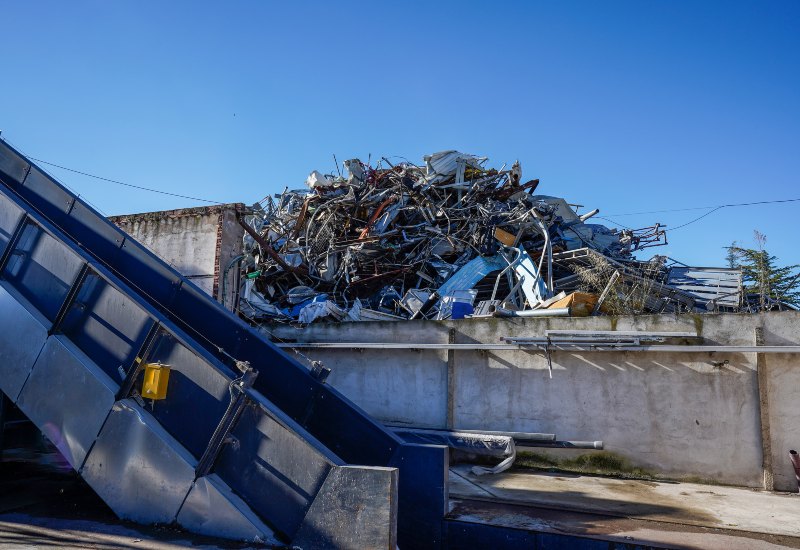
The Evolution of Scrap Metal Recycling Technology
Not long ago, scrap metal recycling relied heavily on manual labour and basic tools. Workers sorted materials by hand, and contamination was hard to avoid. The job got done, but processing times were drawn out, and there was plenty of room for inefficiencies and missed value.
Now, technology has streamlined nearly every stage of the process. Say goodbye to guesswork and labour-heavy systems and hello to equipment designed to improve speed, accuracy, and profitability.
Automated Sorting Systems
Sorting has come a long way from manual picking lines. Today’s facilities use automated systems to deliver far more accurate and consistent results, which directly affects the quality of the materials you’re sending out.
For instance, a magnetic separator quickly pulls ferrous metal away from non-ferrous materials. Optical sorting takes things a step further. These systems use sensors and imaging technology to identify different metals based on their composition and reflectivity. As a result, loads are processed with greater precision, reducing contamination and helping you recover more value from every load.
Advanced Material Handling
Handling scrap efficiently is just as important as sorting it. Advanced material handling systems keep everything flowing in a controlled, organized manner from drop-off to final processing. Instead of materials sitting idle or being moved multiple times, they follow a streamlined path that keeps operations running efficiently.
This approach supports faster service and better coordination across the entire site. It also reduces the risk of bottlenecks that can slow things down. With fewer manual touchpoints, there’s also a stronger focus on safety and consistency, so you can expect a dependable timeline and smooth overall experience.
Baling Machines
Storage and transportation have always been a challenge in scrap metal recycling. Loose materials take up space and can be difficult to manage. Baling machines solve this problem by compressing materials into dense, uniform blocks that are much easier to handle. This makes a noticeable difference in how efficiently materials are stored on-site and shipped out for further processing.
Compacted scrap takes up less space and supports more efficient transport, which keeps costs under control. It also ensures that materials arrive ready to be processed at the next stage. Properly baled scrap reduces overall handling requirements to maintain consistency and keep operations moving forward.
Shearing Machines
Oversized or irregular scrap slows down the recycling process if it isn’t handled properly. Shearing machines address this by cutting materials down to size. They quickly transform large pieces of metal into manageable sections ready for further processing.
Shearing supports a more efficient workflow by helping materials move through the system with minimal interruption. This way, processing remains steady even with high volumes. Expect a more reliable recycling process and confidence that materials are being prepared properly for their next use.
Benefits of Technological Integration
Technology shapes the quality, speed, and reliability you expect from a recycling partner. When modern systems are part of the process, the results show up in every load. Here’s how North Star Metal Recycling clients benefit from our cost-saving recycling technology:
- Improved material value with precise tools like magnetic separators and optical sorting systems that produce cleaner, higher-grade outputs
- Faster processing times thanks to systems that keep everything moving smoothly and on schedule
- Better environmental outcomes from properly recovering and diverting materials from landfills
- Safer project coordination with less manual handling and more controlled processing
- Confidence in your recycling strategy from choosing a partner that uses advanced material handling equipment
Why Choose Us for Scrap Metal Recycling in Vancouver?
North Star Metal Recycling has built a reputation as a leading provider of scrap metal recycling services across Vancouver, Edmonton, Calgary, Kelowna, and Kamloops. Our facility reflects a forward-thinking approach to metal recycling, with well-maintained, state-of-the-art equipment and the tools needed to keep your materials moving efficiently.
Our team offers forklifts, dump bins, and a truck fleet to assist in material transport. Once on-site, materials are weighed using a 30-foot, 50,000-pound digital truck scale or a 5,000-pound platform scale. We take pride in contributing to a cleaner environment by protecting local air and water quality and keeping hazardous materials out of landfills.
We’re all in this together. Contact us today to discuss your recycling needs or request a quote from our team.