
What Makes Aluminum One of the Most In-Demand Recyclables?
Aluminum shows up constantly in waste management and recycling workflows. From cars and construction materials to buildings and beverage containers, this metal is in constant demand across numerous industries. Aluminum stands out for how easily it circles back into production without losing performance or quality. Such reliability makes aluminum one of the most desirable materials in the scrap recycling industry.
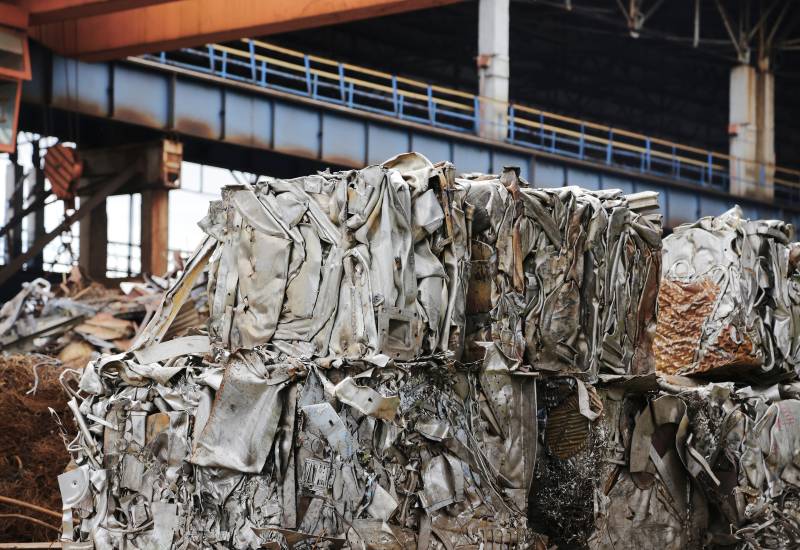
The Highly Recyclable Properties of Aluminum
When you recycle aluminum, you’re working with one of the most reusable materials on the planet. The following characteristics make aluminum recycling practical, profitable, and widely adopted:
- Lightweight: Aluminum is easy to transport and handle, which reduces fuel use and logistics costs.
- Corrosion-resistant: It doesn’t rust when exposed to moisture, making recovered aluminum scrap highly reusable.
- Durable: The metal maintains its strength even after repeated recycling.
- Non-magnetic: Automated sorting systems can quickly separate aluminum from magnetic ferrous metals.
- Infinitely recyclable: Aluminum does not degrade when reprocessed, meaning it retains its original properties. As a result, you can recycle aluminum over and over without any loss in quality.
The Environmental Benefits of Recycling Aluminum
When you look at aluminum recycling facts, the environmental advantages stand out immediately:
- Energy savings: Recycling aluminum uses up to 95% less energy than producing primary aluminum from raw bauxite.
- Reduced greenhouse gas emissions: Less energy use means fewer emissions. On average, recycling one tonne of aluminum metal scrap prevents over 16 tonnes of greenhouse gas emissions from entering the atmosphere. This is the same as driving a gasoline-powered car 40,000 miles.
- Waste diversion: Aluminum recycling services keep valuable materials out of landfills while preventing soil and water contamination. Since this metal is infinitely recyclable, its recovery rates are strong, with an estimated 75% of all aluminum ever produced still in use today.
- Resource conservation: Recycling this material dramatically reduces the need for raw extraction and limits the environmental impact of mining. In North America, 57% of metal production comes from scrap, which is good news for nature preservation.
- Lower water consumption: Producing primary aluminum requires large volumes of water for refining, cooling, and processing bauxite. Aluminum recycling reduces the demand on local water systems by relying on already-processed material.
Economic Reasons to Recycle Aluminum
Environmental benefits are a high priority, but the financial side of aluminum recycling keeps the system running at scale. Aluminum’s consistent market value makes it one of the most reliable materials to process. Here’s what to expect:
- High scrap value: Aluminum metal scrap commands strong prices due to its demand and reusability.
- Lower production costs: Manufacturers save money by using recycled aluminum instead of producing new material from raw ore.
- Stable demand: Industries such as construction, transportation, and packaging rely heavily on recycled aluminum, which helps keep the market active.
- Efficient processing: Aluminum recycling facilities operate with streamlined systems to reduce labour and operational costs.
- Revenue opportunities: Aluminum wire recycling and other scrap streams offer consistent returns and steady revenue potential for your operation.
How Aluminum Recycling Works
The recycling process is a closed-loop system that ensures aluminum stays in circulation, which contributes to its efficiency and widespread use:
- Collection: Scrap is gathered from industrial, commercial, and residential sources.
- Sorting: Materials are separated to isolate aluminum from other metals.
- Cleaning: Coatings, residues, and other contaminants are removed to prepare the metal for processing.
- Shredding: Aluminum is broken down into smaller pieces to improve melting efficiency.
- Melting: The scrap is melted under carefully controlled conditions to produce clean, usable material.
- Recasting: The molten aluminum is formed into new products, ready for manufacturing or resale.
FAQs on Aluminum Recycling
What types of aluminum materials do you accept?
Our aluminum recycling services cover a wide range of products from both residential and commercial sources, including aluminum wire, siding, extrusions, and mixed aluminum metal scrap.
Do you accept varying quantities of aluminum scrap?
Yes, our facility is set up to handle everything from small residential loads to large commercial and industrial volumes. Whether you’re dropping off a few items or managing ongoing aluminum metal scrap, we have the equipment and capacity to process it efficiently.
How do you determine aluminum scrap pricing?
Pricing depends on current market rates, material type, and contamination levels. Clean and sort your aluminum in advance to get the best price and fastest processing time.
Work with a Team That Knows Aluminum Recycling
Aluminum continues to lead the way as one of the most in-demand recyclables because it delivers value from collection to reuse. At North Star Metal Recycling, we take that responsibility seriously. Since 1950, we have grown into a leading provider of aluminum recycling services in Vancouver, Edmonton, Calgary, Kelowna, and Kamloops. Our facility provides easy access for customers and features modern equipment to handle everything from tiny aluminum wiring to large-scale aluminum scrap. We’re proud of the role we play and continue working to improve our operations. Contact us today with your recycling questions or request a quote to get started.